IPTV vs Satellite Which One Should You Choose Today
Modern households in the United States have more ways than ever to access live channels and on-demand content. Choosing between iptv vs satellite often comes down to how your home receives data. While one method relies on a stable internet connection, the other captures broadcast signals from space.

Edit
Full screen
Delete
IPTV vs Satellite
Understanding the core delivery technology is essential when comparing satellite television vs iptv. Your final decision should weigh factors like monthly costs, long-term contracts, and picture quality. You must also consider your local reliability, equipment needs, and overall viewing flexibility.
Ultimately, when comparing IPTV vs Satellite, the right choice depends on your specific internet performance, geographic location, and personal budget. By evaluating your unique habits, you can select the service that fits your lifestyle best.
Key Takeaways
- Internet-based streaming offers high flexibility for modern viewers.
- Traditional broadcast signals remain a reliable choice for rural areas.
- Monthly costs and contract terms vary significantly between these two providers.
- Equipment requirements differ based on your chosen delivery method.
- Your home internet speed is a critical factor for streaming quality.
How IPTV and Satellite Television Deliver Content
Understanding these differences in IPTV vs Satellite helps you identify the specific iptv advantages that might suit your household’s digital habits. Choosing between these services often comes down to your local infrastructure and your personal viewing preferences.

Edit
Full screen
Delete
iptv advantages
How IPTV Streams Live and On-Demand Programming Over the Internet
When discussing IPTV vs Satellite, IPTV, or Internet Protocol Television, delivers content through your existing broadband connection. Instead of traditional broadcast signals, data packets travel over the internet to your device, such as a smart TV, streaming stick, or dedicated set-top box.
This method allows providers to offer a highly integrated experience. Users can easily switch between:
- Live television broadcasts
- On-demand movie and show libraries
- Replay features for programs that aired earlier
How Satellite Television Sends Signals From Orbiting Satellites
When analyzing IPTV vs Satellite, satellite television operates by receiving signals directly from satellites positioned in geostationary orbit. Your home requires an outdoor dish, which must maintain a clear, unobstructed line of sight to the southern sky to capture these signals effectively.
When looking at IPTV vs Satellite, once the dish captures the transmission, it sends the data to a receiver inside your home. This receiver decodes the signal and converts it into the video and audio you see on your screen, functioning independently of your home internet connection.
Why the Delivery Method Affects Your Viewing Experience
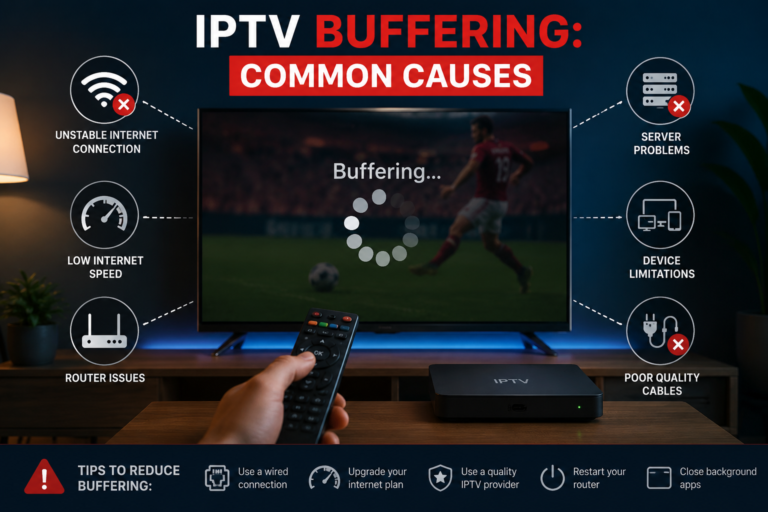
When comparing IPTV vs Satellite, the technical foundation of your service significantly impacts your daily viewing experience. For instance, IPTV performance relies heavily on your internet bandwidth and network stability. If your home network experiences congestion, you might notice buffering or a drop in resolution.
When looking at IPTV vs Satellite, conversely, satellite television is susceptible to environmental factors. Severe weather, such as heavy rain or thick snow, can sometimes disrupt the signal between the satellite and your dish. This is where iptv advantages become clear for users who prioritize flexibility and consistent access regardless of weather conditions.
When evaluating IPTV vs Satellite, however, satellite remains a robust choice for rural areas where high-speed terrestrial broadband is unavailable. By understanding these delivery mechanics, you can better determine which service aligns with your home’s connectivity capabilities.
IPTV vs Satellite: Side-by-Side Comparison
When exploring IPTV vs Satellite, deciding on the right television service involves weighing the technical differences between modern streaming platforms and classic satellite setups. While both methods aim to bring entertainment into your living room, they rely on fundamentally different infrastructures to deliver content.

Edit
Full screen
Delete
iptv vs satellite
IPTV Compared With Satellite Television at a Glance
To understand the landscape of iptv vs satellite, it is helpful to look at how these services function in a real-world environment. The following breakdown highlights the core operational differences between these two popular choices.
Monthly cost, contract terms, and equipment requirements
IPTV services often operate on a month-to-month basis, allowing for greater financial flexibility. Users typically utilize existing smart TVs, streaming sticks, or mobile devices, which minimizes the need for proprietary hardware.
When comparing IPTV vs Satellite, in contrast, satellite providers usually require long-term service contracts to offset the cost of professional installation. You will need a dedicated satellite dish mounted on your property and a specific receiver box provided by the company.
Picture quality, channel availability, and viewing flexibility
When discussing satellite vs iptv quality, it is important to note that both platforms support high-definition and 4K resolution. However, the consistency of your picture depends heavily on your specific connection type and the provider’s bandwidth allocation.
IPTV excels in viewing flexibility, offering robust on-demand libraries and the ability to watch content on multiple devices simultaneously. Satellite television provides a vast array of live channels, often including exclusive sports packages that are difficult to replicate through streaming alone.
Internet dependence, weather performance, and installation needs
When evaluating IPTV vs Satellite, IPTV requires a stable, high-speed broadband connection to function without buffering. If your internet service experiences downtime, your television access will likely be interrupted as well.
Satellite television is independent of local broadband, making it a reliable choice for rural areas. However, it can be susceptible to “rain fade,” where heavy storms or thick cloud cover temporarily disrupt the signal from the orbiting satellite.
| Feature | IPTV | Satellite |
| Primary Delivery | Broadband Internet | Satellite Signal |
| Hardware | Streaming Devices | Dish & Receiver |
| Installation | Self-Setup | Professional |
Where IPTV Has the Stronger Overall Value
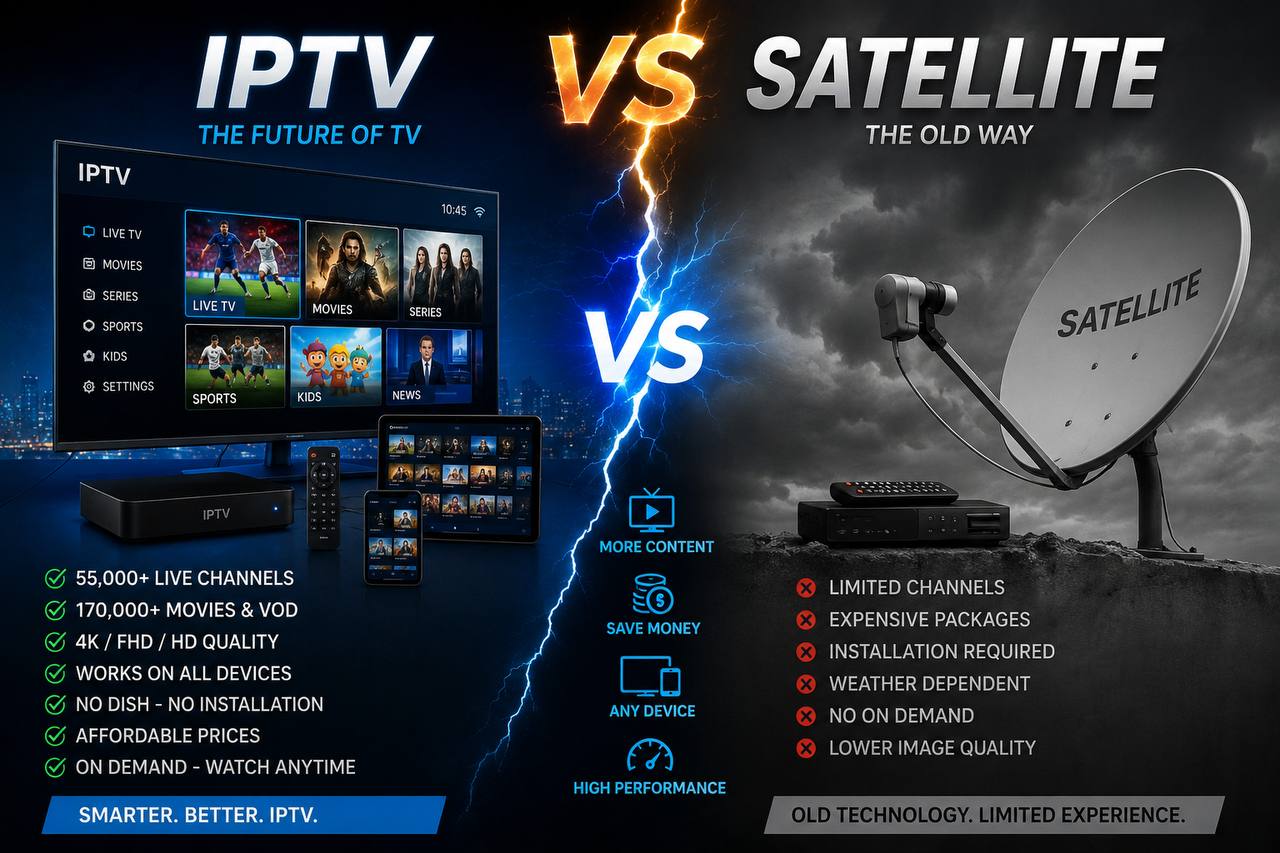
When comparing IPTV vs Satellite, IPTV is generally the superior choice for households that already maintain a high-speed internet connection. The primary advantage lies in the lack of complex installation requirements and the ability to cancel or switch services without heavy penalties.
When looking at IPTV vs Satellite, furthermore, the integration of on-demand content allows viewers to watch what they want, when they want. This modern approach to media consumption fits perfectly with the habits of contemporary, tech-savvy families.
Where Satellite Television Still Has an Advantage
Cost, Contracts, and Long-Term Value
When looking at IPTV vs Satellite, when choosing between modern streaming and traditional broadcast, the total cost of ownership often tells a different story than the advertised price. Evaluating the true financial impact of your entertainment choices requires looking beyond the base monthly fee to understand the full scope of equipment and service requirements.
Typical IPTV Expenses for a U.S. Household
Service subscriptions, compatible devices, and internet costs
IPTV services generally require a reliable high-speed broadband connection, which serves as the backbone of your viewing experience. You must factor in the monthly cost of your internet service provider alongside the subscription fees for your chosen streaming platforms. Additionally, you may need to invest in compatible hardware, such as a smart TV, streaming stick, or dedicated set-top box, to access these services effectively.
Potential savings from flexible month-to-month plans
When comparing IPTV vs Satellite, one of the primary iptv advantages is the lack of long-term contracts. Most providers offer month-to-month billing, allowing you to cancel or pause your service without facing hefty penalties. This flexibility helps households manage their budgets by scaling services up or down based on seasonal viewing habits or financial priorities.
Satellite Television Pricing and Contract Considerations
Programming packages, receiver fees, and installation charges
When evaluating IPTV vs Satellite, satellite television often presents a more complex billing structure compared to digital streaming. While base packages might appear competitive, the final bill frequently includes mandatory receiver fees for every television in your home. Furthermore, professional installation is usually required, which can involve significant upfront costs unless waived during a promotional period.
Promotional pricing, equipment leases, and early cancellation costs
When comparing IPTV vs Satellite, many satellite providers rely on introductory promotional rates that increase significantly after the first year. Customers are typically required to sign multi-year service agreements, which include equipment leases for satellite dishes and receivers. Breaking these contracts early often results in substantial early termination fees, making it a less flexible option for those who prefer short-term commitments.
Which Service Offers Better Value for Different Budgets
Deciding between these two technologies depends on your specific financial goals and local infrastructure. The following table highlights the key differences in cost structures to help you make an informed decision regarding satellite television vs iptv.
| Feature | IPTV | Satellite Television |
| Contract Length | Month-to-month | 12 to 24 months |
| Equipment Cost | User-owned devices | Leased hardware |
| Installation | Self-setup | Professional required |
| Price Stability | High flexibility | Promotional increases |
Picture Quality and Viewing Performance
Achieving the best visual experience requires looking beyond the delivery method. True satellite vs iptv quality depends on source resolution, compression standards, and your specific display hardware. A high-quality 4K stream looks crisp on a modern television regardless of whether it arrives via fiber optics or a dish.
Network stability plays a massive role in your daily viewing. IPTV performance often fluctuates based on your home bandwidth, Wi-Fi signal strength, or local network congestion. You might experience buffering if your internet connection struggles to keep up with high-definition data demands.
Satellite television faces different challenges during extreme weather events. Heavy rain or thick snow can weaken the signal from providers like DirecTV or Dish, leading to temporary service interruptions. You must weigh these environmental factors against your local climate patterns.
The right choice depends on your personal priorities and technical setup. Consider your internet reliability, your tolerance for long-term contracts, and your specific channel needs. Both technologies offer excellent clarity when paired with stable delivery conditions and proper equipment. Evaluate your home environment to decide which service fits your lifestyle best.
FAQ
What are the primary differences when comparing iptv vs satellite technology for home entertainment?
The core difference lies in how content reaches your screen. IPTV (Internet Protocol Television) delivers live and on-demand programming through your high-speed internet connection via services like YouTube TV or Hulu + Live TV. Conversely, satellite television providers like DISH and DIRECTV transmit signals from orbiting satellites to a physical dish installed on your home, which then sends the data to a dedicated receiver box.
What are the most significant iptv advantages for modern U.S. households?
One of the biggest iptv advantages is the lack of long-term contracts; most services offer flexible, month-to-month subscriptions. Additionally, IPTV provides superior viewing flexibility, allowing users to stream on various devices—such as smartphones, tablets, and Amazon Fire TV sticks—without the need for professional installation or complex hardware. It also integrates seamlessly with other digital features like cloud DVR and extensive on-demand libraries.
How does satellite vs iptv quality compare for 4K and High-Definition broadcasts?
When evaluating satellite vs iptv quality, both platforms are capable of delivering stunning 4K and HD images, but they are limited by different factors. Satellite provides a dedicated, high-bandwidth signal that remains consistent regardless of how many people in your neighborhood are online. However, IPTV quality is highly dependent on your home’s broadband speed. If your internet connection is stable and fast, IPTV can match or even exceed satellite bitrates for a crystal-clear picture.
Which service is more reliable during severe weather conditions?
IPTV generally offers better reliability during heavy rain or snow, as it does not rely on a clear line of sight to the sky. Satellite television can suffer from “signal fade,” where thick clouds or heavy precipitation temporarily disrupt the connection between the orbiting satellite and your dish. However, if a storm causes a localized internet outage, your IPTV service will go down, whereas a satellite system with a backup power source might continue to function.
Is satellite television vs iptv a better choice for rural residents?
In the debate of satellite television vs iptv for rural areas, satellite is often the winner if high-speed broadband is unavailable or unreliable. Because DISH and DIRECTV cover nearly every square inch of the United States via orbital signals, they provide a premium television experience in locations where terrestrial internet speeds are too slow to support high-quality video streaming without constant buffering.
What are the hidden costs associated with satellite television compared to IPTV?
While IPTV costs are usually transparent (subscription fee plus your existing internet bill), satellite television often involves additional expenses. These can include professional installation fees, monthly equipment leases for receivers like the DIRECTV Genie, and regional sports fees. Furthermore, many satellite providers offer a low introductory rate that increases significantly after the first 12 or 24 months of a contract.